Most couples adore each other and still manage to irritate each other-sometimes in ways that feel small in the moment but heavy over time. If your boyfriend suddenly gets quiet, looks distracted, or drifts into his own world, it may not be random. Often, he’s reacting to a pattern that makes him feel pressured, misunderstood, or unable to breathe. When that happens, he starts craving personal space not because he doesn’t care, but because he wants relief.
What “Annoying” Usually Means in a Relationship
“Annoying” is a harsh word, yet it often points to something simpler: a habit that repeatedly blocks comfort. A guy might not complain directly, especially if he thinks it will cause an argument. Instead, he withdraws, gets short with answers, or distracts himself with anything that gives him personal space for a while. The frustrating part is that many of these habits begin as attempts to connect, seek reassurance, or express disappointment. The intention can be loving-yet the delivery lands like pressure.
Below are common behaviors that many men say wear them down. You don’t have to be perfect, and you don’t have to erase your personality. The goal is to notice what creates distance and replace it with a healthier way of expressing what you need-without turning the relationship into a tug-of-war over personal space.

Habits That Can Make Him Pull Away
-
Turning private conflict into public commentary
When relationship problems become a group discussion, many men feel exposed rather than supported. Talking to friends is normal, but describing every argument, labeling him as the villain, or venting in a way that spreads embarrassment can feel like betrayal. Even if you’re looking for comfort, he may hear it as, “I can’t trust you with our private life.” If he senses that every mistake becomes a story for an audience, he may retreat into personal space and stop opening up.
A calmer alternative is to choose one trusted person for perspective and keep details minimal, or talk to him directly once emotions cool. If you need help sorting your feelings, focus on what you felt and what you need-rather than building a case against him.

-
Talking through his game like it’s a casual chat
When he’s locked into a competitive game, he’s usually not in “small talk” mode. He may be concentrating, reacting quickly, and riding a burst of excitement. If you keep asking questions, relaying gossip, or expecting full attention while he’s mid-match, he might respond with distracted “mm-hm” noises that feel insulting to you-and annoying to him. The result is often irritation on both sides, followed by him wanting personal space because the interaction became a collision.
Try a simple cue: ask whether it’s a good moment or whether he can talk after the round. That tiny adjustment respects his focus and protects your connection.
-
Starting intense physical affection and then shutting it down abruptly
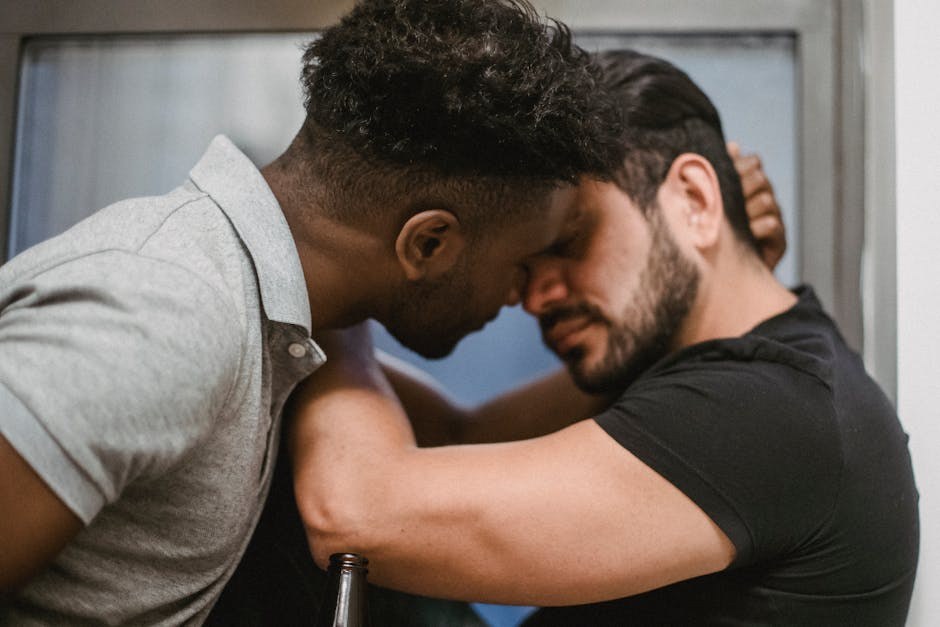
Affection is wonderful, but mixed signals can be frustrating. If you initiate heavy cuddling, teasing, or touch that clearly escalates desire and then dismiss his reaction as silly, he may feel like you flipped a switch and left him stuck with discomfort. This isn’t about owing anyone sex; it’s about being mindful. When the pattern repeats, he may avoid closeness altogether to protect his personal space and avoid feeling wound up and rejected.
A kinder approach is to be clear: if you want cuddles only, say that early. If you might want more later, set expectations gently. Clarity reduces resentment and helps both of you feel safe.
-
Filling every quiet moment because silence feels awkward
Some people bond through constant conversation. Others reset through stillness. Many men appreciate pockets of quiet-staring out the window, zoning out with a book, or just existing without commentary. If you treat every silence as a problem to fix, he may feel like he can’t relax around you. Over time, he’ll seek personal space simply to think without being pulled into a new topic.
You can stay connected without constant dialogue: sit near him, touch his shoulder, or share the room peacefully. Quiet can be closeness, not distance.
-
Refusing to let him do things alone, even harmless things
Many men recharge by tinkering, gaming, working on a hobby, or doing a task in their own rhythm. If you hover, insist on joining every activity, or interpret his solo time as rejection, he can start feeling monitored. Even well-meant “help” can feel like pressure when he’s trying to enjoy personal space.
If you’re unsure whether he wants company, ask once, then accept the answer. Paradoxically, letting him have room often makes him more eager to rejoin you afterward.
-
Flirting warmly with others while being cool or dismissive with him
Some men don’t mind friendly banter with other people, especially if the relationship feels secure. The problem begins when he sees you light up for strangers yet act indifferent toward him. If he feels like he gets the leftovers while everyone else gets your charm, he may feel disrespected and quietly resentful. That resentment often shows up as emotional distance and a stronger desire for personal space.
A simple fix is balance: be friendly in public, but make sure your boyfriend still receives the best version of your attention-small compliments, a playful glance, or a brief touch that says, “You’re my person.”
-
Using the silent treatment as punishment
Silence can be healthy when it’s a pause to calm down. It becomes toxic when it’s a weapon. If you go cold, refuse to explain what’s wrong, and force him to beg for clues, he may feel trapped. He’s stuck apologizing for something he may not understand while walking on eggshells. That doesn’t build intimacy; it creates anxiety, and he’ll look for personal space to escape the tension.
If you need time, say so directly: “I’m upset and I need a little while. I’ll talk after I’ve cooled down.” That keeps dignity intact on both sides.
-
Asking “Do I look fat?” as a test instead of a real question
Many men dread questions where the “right” answer is obvious and honesty feels punished. If you ask for reassurance daily, especially in a way that implies he’s on trial, he may feel set up. He’ll default to the safe answer, and both of you will feel unsatisfied-because the reassurance never lasts. When the cycle becomes routine, he may want personal space just to avoid stepping into another no-win conversation.
If you want support, be specific: “I’m feeling insecure today-can you remind me what you like about me?” That invites warmth rather than cornering him.
-
Mocking or dismissing what he cares about
He might love cars, fishing, training, “guy time,” or a niche hobby that doesn’t excite you. It may look silly from the outside, but to him it’s identity, pride, and stress relief. When you roll your eyes, call it childish, or pressure him to stop, he hears, “I don’t respect you.” At that point, he protects his interests by protecting his personal space.
You don’t have to share every passion. You do have to respect it. Ask curious questions, or simply acknowledge that it matters to him even if it isn’t your thing.
-
Trying to remake him like a project
Encouragement can be loving. Constant redesign is exhausting. If you keep pushing him away from what he likes-his food, his movies, his routines-and insist your preferences are superior, he may feel controlled. Many men can tolerate suggestions; they struggle with feeling managed. When he senses that he’s never “good enough” as he is, he’ll crave personal space to be himself without critique.
A healthier pattern is to choose your battles. If something truly matters, explain why and look for compromise. If it’s just taste, let him enjoy it-then invite him into your world sometimes too.
-
Being clingy one moment and fiercely distant the next
Some relationships swing between extremes: constant contact, then sudden independence that feels like a cold shoulder. Men often want affection and reassurance, but they also want personal space and stability. When the pattern is inconsistent-demanding attention, then acting like you don’t need him at all-he may feel confused about his role. Confusion can turn into detachment.
Moderation is the steady middle: show that you want him, while still maintaining your own life. Consistency is soothing; it lets both of you relax.
-
Comparing him to other men to motivate him
Comparison rarely inspires; it usually humiliates. Even if you think you’re “pushing him to improve,” telling him another guy is richer, stronger, a better partner, or more accomplished strikes at pride. He may already measure himself against others internally. Hearing it from you can feel like a double hit-he feels inadequate and feels unloved. The common response is to shut down, retreat into personal space, and stop trying in the relationship.
If you want change, focus on teamwork: “Let’s work on this together” or “I believe in you, and I’d love to see you go after what you want.” Support builds; comparison breaks.
How to Replace These Patterns Without Losing Yourself
A relationship doesn’t improve by tiptoeing around each other-it improves when both people feel safe being honest. If you recognize yourself in any of these habits, that doesn’t make you a bad girlfriend. It means you’re human, and you may be using shortcuts to express needs like reassurance, attention, or respect. The goal is to swap shortcuts for clearer communication.
Start by noticing the moment right before the habit shows up. That moment is where choice lives. Instead of venting publicly, you can ask for a private talk. Instead of pushing into his hobbies, you can request dedicated time together later. Instead of punishing with silence, you can take a calm break and return with words. Each shift tells him, “I care about you and I also respect your personal space.”
And that respect tends to come back to you. When he doesn’t feel cornered, he’s more likely to lean in. When he trusts that you won’t shame him, he’s more likely to share. When quiet is allowed, it stops feeling like distance and starts feeling like peace.
A Different Way to Think About Space
Personal space isn’t a threat to love; it’s often what keeps love from overheating. If you can make room for his silence, his hobbies, and his need to decompress-while still protecting your own needs for connection-you create a relationship that feels breathable. That kind of balance doesn’t just reduce conflict. It makes affection feel welcome again, not obligatory.