You can feel like you are making your interest obvious, yet the person you want to notice you responds as if you are simply being friendly. That disconnect is common, and it is often rooted in how romantic cues are expressed versus how they are interpreted. What feels clear on your side can register as neutral on his-especially when the message is delivered through subtle shifts in behavior rather than direct words.
If you have ever walked away thinking, “How did he not get that?” you are not alone. Many people rely on understated romantic cues because they feel safer than a direct confession. The problem is that understated signals can be easy to misread, easy to rationalize away, or easy to miss entirely when someone is distracted, cautious, or unsure of your intent.
Research discussions in this area often point out that men and women may flirt differently, and that perception varies person to person. That matters because it means there is no universal “decoder ring.” Even when two people are using sincere romantic cues, they may be speaking different social dialects-both assuming the other person will understand the same hints in the same way.

Why your message can get “lost in translation”
Most people do not want to walk up to someone and announce their feelings. Subtle romantic cues let you test the waters without risking a blunt rejection. In practice, however, subtlety creates ambiguity-and ambiguity creates plausible deniability. If he is uncertain, he may default to the safest interpretation: “She is being nice.”
Another complication is that many men are socialized to be cautious about assuming interest. Some avoid reading too much into friendliness because they do not want to appear arrogant, intrusive, or mistaken. In that mindset, romantic cues that rely on nuance may be intentionally “downplayed” in his head, even when he notices them.
Finally, individual differences matter. Some people are attuned to nonverbal communication; others focus primarily on words and explicit invitations. If he tends to interpret interactions literally, you may need romantic cues that are clearer and harder to reclassify as ordinary politeness.
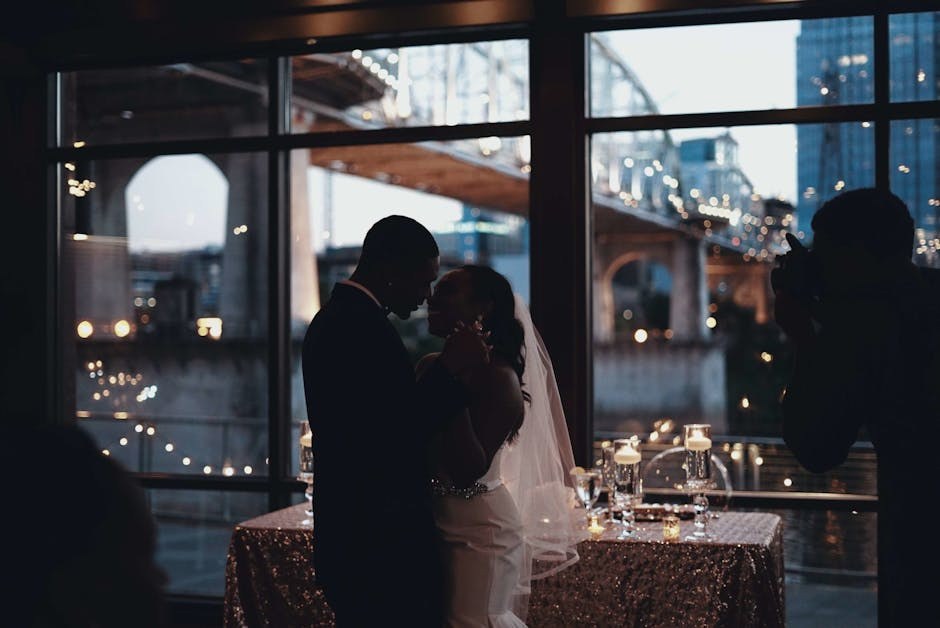
Common romantic cues men overlook-and what they may assume instead
The behaviors below are often used to signal interest. The catch is that they can be interpreted as casual friendliness, nervousness, or coincidence. If you lean heavily on these romantic cues, consider pairing them with more direct context so your intent is easier to recognize.
-
Starting the interaction can be misread as simple sociability. Approaching him first, initiating a conversation, or creating a reason to talk may feel like a bold signal. Yet he might interpret it as you being outgoing, polite, or merely curious. In his mind, you are “easy to talk to,” not necessarily interested. If this is your primary move, add a small verbal indicator-something that frames the interaction as personal rather than generic-to keep your romantic cues from blending into everyday friendliness.
-
Straightening your posture is a classic confidence shift, but it is subtle by nature. Many people stand taller, adjust their shoulders, or align their body when they want to make a good impression. You might do it automatically when romantic cues are in play, especially if you want to appear composed. He may simply read it as you “standing normally” or “getting comfortable.” If you notice you do this often, treat it as supportive body language rather than your main message.

-
Mirroring-matching his stance, gestures, or rhythm-can be powerful and largely unconscious. When you adopt a similar posture or pace, it can create the feeling of rapport. The issue is that rapport does not always equal flirtation in his mind. He may feel the connection without labeling it as romantic cues, especially if the conversation topic stays neutral. Mirroring works best when paired with warmer content: personal compliments, playful tone, or a clear invitation to continue the interaction.
-
Fidgeting and nervous energy often show up around someone you like. Hair-twisting, adjusting clothing, tapping fingers, picking at nails, or touching your face can reflect excitement and anxiety at once. You may think it broadcasts “I am into you,” but he might interpret it as stress, distraction, or discomfort. In other words, your romantic cues may accidentally resemble unease. If you tend to fidget, try grounding yourself-slow breathing, steady eye contact, and calmer hand placement-so your interest looks inviting rather than uncertain.
-
Trying to spark jealousy is risky because it relies on him connecting dots you never actually drew. Flirting with someone else to attract his attention can read as exactly what it looks like: you are interested in someone else. Even if he notices the behavior, he may not translate it into romantic cues aimed at him. Worse, he may step back out of pride or assume he is not your priority. If you want his attention, attention directed toward him is usually the cleaner signal.
-
Heavy social media attention can feel like obvious flirting when you are the one doing it. Liking posts, replying to stories, leaving enthusiastic comments, or posting photos designed to be noticed can be part of modern romantic cues. Yet many people treat social platforms as noisy and performative-he may assume you interact similarly with lots of people. If online engagement is your main channel, make at least one message unmistakably personal: a direct compliment, a specific reference to something he said, or a simple invitation to talk in real life.
-
Dressing with him in mind is meaningful to you because you know the intention behind it. Wearing an outfit he once complimented, choosing a color that makes you feel attractive, or elevating your look before seeing him can be part of your romantic cues. The problem is that he does not see the decision process-he only sees you looking good. He may assume you dressed for yourself, for the occasion, or by habit. This cue becomes clearer when paired with a light comment that ties your choice to him, without turning it into a dramatic announcement.
-
Suddenly sharing his interests can be a genuine attempt to build closeness. Picking up his favorite genre, asking about his hobby, or learning enough to have an informed conversation can function as romantic cues because they signal investment. But he may interpret it literally: you discovered a new interest and want information. If your goal is flirtation, show that the interest is also about connection-highlight that you enjoy it because it gives you something to share with him, and suggest doing it together.
-
Casual compliments sit on a fine line. A warm “You look nice today” or “That was really thoughtful of you” can be romantic cues, but they can also be ordinary kindness. If compliments are rare in your circle, he may notice more. If compliments are common, he may treat yours as routine. Avoid extremes: too little gets lost, too much can feel confusing. The most effective compliments are specific and personal-focused on something he chose or did-because they sound intentional rather than generic.
-
Asking for help as a pretext is another cue that can backfire through sincerity. If you request assistance with a task, he may assume you truly need support and focus on solving the problem. Your real intent-more time together-may not register as romantic cues at all. If you like this approach, choose help requests that naturally include conversation and proximity, then add a small personal note: “I always like hanging out with you when we do things like this.” That turns the interaction from purely functional to relational.
-
Drawing attention to your mouth can happen without conscious planning. Lip biting, lip licking, pouting, or lingering touches near your face can be tied to anticipation and attraction. In theory, these romantic cues hint at physical intimacy. In practice, he may miss them-or he may notice but hesitate to interpret them sexually, especially in public settings. Subtlety matters here: less is more , and a confident smile plus steady eye contact often communicates more clearly than repeated mouth-focused gestures.
How to make your romantic cues easier to read
You do not need to abandon subtlety altogether. The goal is to reduce ambiguity so your romantic cues are less likely to be reclassified as friendliness, coincidence, or nerves. That means adding context-small, deliberate signals that clarify the “why” behind what you are doing.
Start with consistency. One-off signals can be dismissed, but a consistent pattern is harder to ignore. If you regularly seek him out, remember details he shared, and create moments for one-on-one conversation, your romantic cues become a storyline rather than isolated events. A storyline is easier to interpret than a single scene.
Use warmth in your language, not just your behavior. If your body language is open but your words remain strictly neutral, he may decide the interaction is platonic. Warmth can be simple: a playful tone, gentle teasing, or a clear expression that you enjoy his company. The more your words align with your nonverbal romantic cues, the less room there is for misinterpretation.
Choose cues that invite a response. Many subtle signs are “broadcast only”-they do not naturally create a moment where he must act. If you want him to flirt back, offer openings that make reciprocation easy: ask a question that requires more than a yes/no, suggest continuing the conversation later, or propose a low-pressure plan. Those moves still count as romantic cues, but they also create structure for progress.
Be careful with strategies that rely on negative emotions. Jealousy, mixed signals, or intentional distance might produce attention, but it often produces the wrong kind. If he responds by withdrawing, getting irritated, or assuming you are unavailable, your romantic cues have not failed because they were too subtle-they failed because they were too indirect in meaning. Direct interest tends to generate direct momentum.
Pay attention to whether he seems uncertain. If he looks surprised by closeness, changes the subject when things get personal, or treats your warmth as “just how you are,” he may not be mapping your behavior to romantic cues. In that case, clarity is not about becoming intense-it is about becoming specific. A single sentence that frames your interest can do more than weeks of hints.
Above all, remember that being a little more direct is not the same as being aggressive. Directness can be calm, respectful, and simple-especially when you frame it as an invitation rather than a demand. When romantic cues are paired with straightforward intent, the interaction becomes easier for both of you: less guessing, less frustration, and more opportunity for genuine chemistry to show itself.
Getting someone’s attention is not always as effortless as it looks from the outside. While no group is a monolith and every person differs, these romantic cues are commonly misunderstood. If your signals keep landing as “friendly,” you do not need to change who you are-you may only need to adjust how clearly your interest is labeled in the moment.