Falling for someone can feel like stepping into a brighter version of life-suddenly you want to share every thought, every plan, every weekend. Connection is wonderful, but when your inner stability starts depending on his tone, his texts, or his mood, the relationship quietly becomes your emotional steering wheel. The goal is not distance or indifference; the goal is emotional independence, so you can love him without losing yourself.
When closeness turns into emotional reliance
It is easy to confuse devotion with disappearing. You might tell yourself that being “all in” is romantic, yet there is a difference between prioritizing a relationship and outsourcing your peace. Emotional independence means your feelings remain yours-responsive to life, but not controlled by someone else’s fluctuations.
A quick way to spot unhealthy reliance is to pay attention to what happens inside you when he is off. Everyone has strange days. A bad mood can show up for no clear reason-weather, stress, tiredness, or simply waking up on the wrong side of the bed. When he gets quiet or irritable, do you immediately feel uneasy? Do you start scanning for hidden meaning? Do you keep asking what is wrong, hoping he will reassure you?
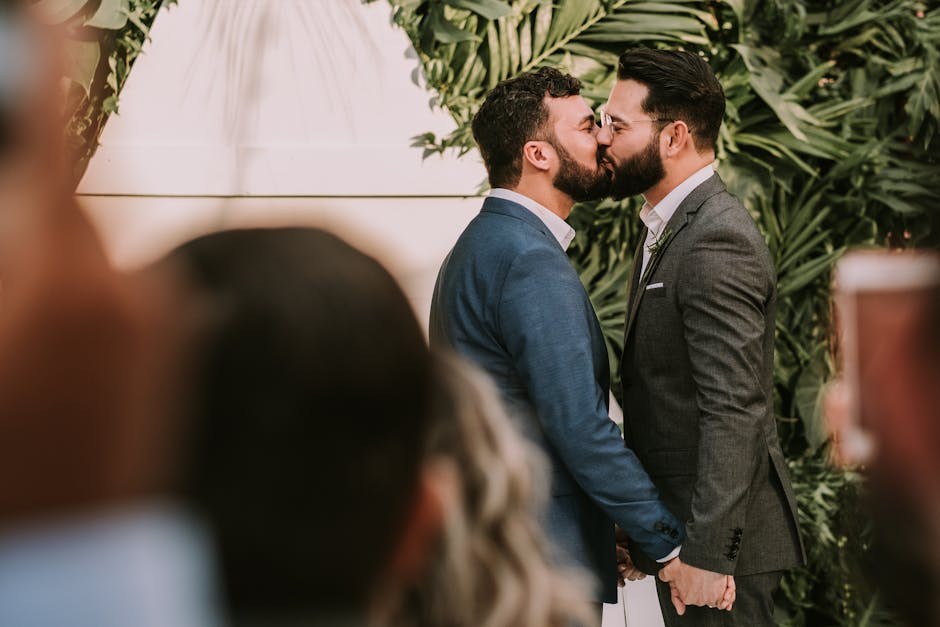
If your calm disappears the moment his mood changes, emotional independence is not fully in place. That does not make you “wrong” or “needy” as a person-it means your nervous system has learned to treat his emotional state as a signal of safety or danger.
Signs your emotions are tied to his mood
You do not need a dramatic crisis to be emotionally entangled. Often, the signs are subtle and repetitive.
You mirror his mood automatically-his frustration becomes your frustration, even if your day was going fine.

You feel unsettled when he is quiet, as if silence is a problem that must be solved immediately.
You ask for reassurance repeatedly, not because you want a conversation, but because you want relief.
You interpret neutral behavior as a relationship threat-then you act from anxiety instead of clarity.
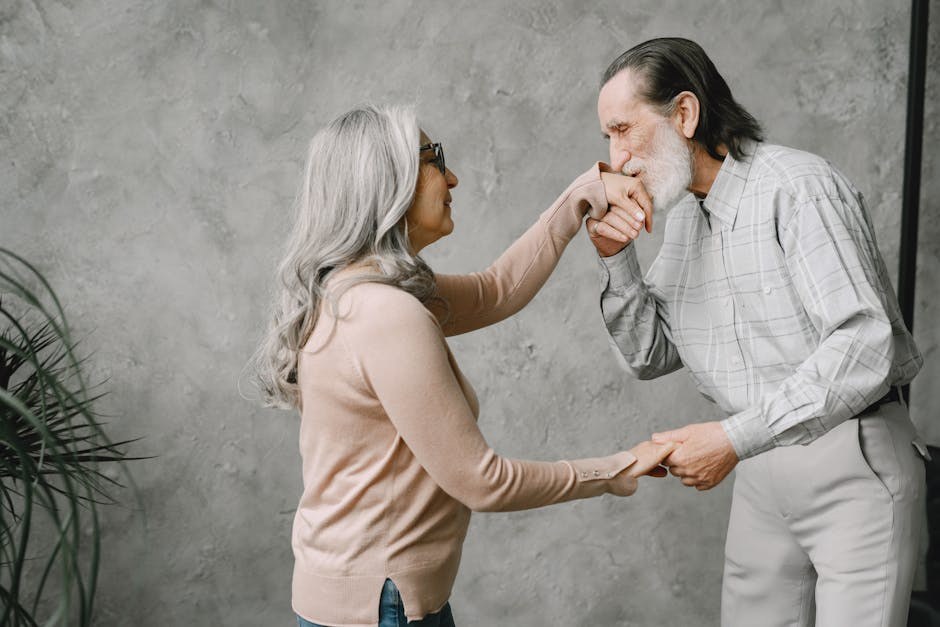
Your plans, interests, and routines shrink, while the relationship expands into every open space.
These patterns can appear even in loving relationships. The issue is not that you care; the issue is that your emotional center moves outside your body. Emotional independence brings that center back home.
Why emotional dependence happens in the first place
To change a pattern, it helps to understand the mechanism behind it. Emotional independence becomes easier when you can name what is happening rather than blaming yourself for it.
Emotional intelligence and emotional boundaries
People often talk about emotional intelligence-sometimes called EQ-as the ability to recognize feelings, manage them in tense moments, and separate your internal experience from someone else’s. This is not about being “smart” in the traditional sense. It is about emotional skills: noticing, interpreting, and responding rather than reacting.
When EQ is lower, emotions can feel like a wave that drags you along. If someone close to you is irritated, the irritation spreads. If your boyfriend is distant, your mind fills in blanks. Emotional independence grows as you practice separating what you feel from what he feels-without denying either.
Empathy can blur the line between “me” and “you”
If you are highly empathetic, you may absorb other people’s emotional weather easily. In a relationship, that sensitivity can turn into hyper-attunement-your attention locks onto his face, his voice, his pauses, his energy. Empathy is a strength, but without boundaries it becomes exhausting. Emotional independence does not reduce your compassion; it prevents compassion from becoming self-abandonment.
Proximity makes moods contagious
The closer you are to someone, the more their mood can affect your baseline. If you spend a lot of time together or live together, you are exposed to each other’s stress patterns constantly. A small tension after work can fill the room. Your body reads the atmosphere and reacts. Emotional independence means you can notice the atmosphere without letting it become your identity for the day.
Vulnerability can trigger fear
When you open your heart to someone, you naturally become more vulnerable. Along with love, a quiet fear can appear-fear of conflict, fear of losing the bond, fear that a bad mood is a warning sign. That fear can push you into monitoring, fixing, and over-functioning. Emotional independence invites a different response: you can care without chasing certainty every minute.
In other words, the healthiest answer is often the simplest: relax. Not in a dismissive way, but in a grounded way-trust that not every dip in his mood is a relationship emergency.
How to build emotional independence without pulling away
Emotional independence is not a single decision; it is a set of habits that reshape how you respond to stress inside the relationship. The following shifts stay aligned with closeness while restoring your inner stability.
Start by normalizing mood changes
The first step is to accept a basic truth: moods rise and fall, and they do not always mean something is wrong between you. Sometimes he is stressed about work. Sometimes he slept poorly. Sometimes he is dealing with a minor problem-like something inconvenient in his day-that has nothing to do with you. If you assume every shift is caused by the relationship, you place pressure on both of you.
Emotional independence begins with this simple reframing-his mood is information, not a verdict. You can remain attentive while staying emotionally steady.
Pause before you react
When you sense distance, your instinct may be to close the gap fast: ask questions, demand clarity, try to “fix” the moment. Instead, practice a pause. Take a breath and check what is happening inside you. Are you afraid? Are you interpreting? Are you trying to control uncertainty?
This pause is not passive. It is a conscious choice to respond rather than spiral. Emotional independence grows in that small space between stimulus and action.
Ask once, then give space
It is reasonable to check in. A calm, direct question can be caring: “You seem a bit off-do you want to talk?” If he says it is not about you or he is not ready, let that be the answer for now. Repeated questioning often comes from anxiety, not support. Emotional independence means you can tolerate the discomfort of not knowing everything immediately.
Stop making yourself responsible for his feelings
You can influence his day with kindness, but you cannot manage his internal world for him. If you treat his mood as your job, you will live on a rollercoaster. You will also unintentionally teach him that you cannot handle his normal human emotions. Emotional independence means allowing him to be a full person-messy moments included-while you remain anchored.
Turn your attention inward to strengthen your center
Once you stop chasing every mood shift, you create space to invest in yourself. This is where emotional independence becomes tangible: your life expands, your confidence returns, and your mind has more to hold than constant relationship scanning.
Protect time with friends and community
Regular plans with friends remind you that you are not only a partner-you are a whole person with history, laughter, and support outside the relationship. Friend time also gives your brain different emotional input: playful conversation, shared experiences, and perspective. Emotional independence thrives when your emotional nourishment comes from more than one source.
Learn something that belongs to you
Choosing a skill-anything that interests you-and committing to it can be powerful. It could be an evening class, a hobby you have always wanted to try, or simply structured time to practice something new. The point is not productivity; the point is identity. Emotional independence grows when you prove to yourself that your world is larger than the relationship.
Support your body to support your mind
When your body is depleted, emotions become louder. Movement and healthy routines do not “solve” relationship anxiety, but they make you more resilient. A walk, a workout, or a consistent routine can calm your system and reduce the intensity of reactive thoughts. Emotional independence is easier when you feel physically grounded.
Use meditation to reduce emotional noise
Meditation can help you notice feelings without becoming them. Instead of being pulled into every anxious thought, you learn to observe your mind. This is not about forcing calm; it is about building awareness. Over time, emotional independence becomes your default because you are less compelled to chase reassurance in the moment.
Reconnect with personal goals
Think about where you want your life to go-not in a dramatic, high-pressure way, but in a realistic way. Are there career goals you want to pursue? Projects you have postponed? Small steps you can take consistently? Direction creates stability. Emotional independence strengthens when your future is not entirely shaped around the relationship’s daily temperature.
Practical ways to handle his bad mood without losing yours
Even with insight, real life still happens. You will still encounter moments when he is stressed, quiet, or irritable. Emotional independence shows up in how you handle those moments with skill.
Notice the trigger-his tone, his silence, his shorter replies-and name your internal reaction without judging it. Emotional independence begins with awareness.
Remind yourself that moods can be random. Your mind may want a story; you can choose a calmer interpretation.
Offer a simple check-in, then stop chasing. You are present, not panicked.
Redirect your attention to something stabilizing-your routine, your tasks, your friends, your own interests. Emotional independence is reinforced through redirection.
Let time do its work. Many moods fade when pressure is removed, and emotional independence allows that natural reset to happen.
If you often feel pulled back into old patterns, add one more tool: self-talk that re-centers you. A sentence like “I can care without absorbing this” can interrupt spiraling. Emotional independence is built through repetition, not perfection.
Maintaining identity inside a relationship
Even if his moods do not shake you much, protecting your identity still matters. Emotional independence is not only about reacting less; it is about remaining fully yourself while sharing life with someone.
You are not half of a person
A relationship can be deeply meaningful without becoming your entire definition. You still have preferences, opinions, ambitions, and quirks that are yours alone. Emotional independence means you do not trade your individuality for belonging.
Why losing yourself is risky
When you let a relationship consume every corner of your life, you remove your own safety net. If circumstances change and the relationship ends suddenly, the shock is amplified because your identity has been merged into the couple. Rebuilding becomes harder because you have to rediscover what you like, who you are with friends, and how you spend time alone.
This is not about expecting the worst. It is about honoring yourself. Emotional independence is a form of self-respect-an agreement that you will remain connected to your own life no matter what happens.
Independence can deepen intimacy
Ironically, when you focus on your own growth, the relationship often becomes richer. You bring new stories, new thoughts, and new energy into conversations. You have interests to share, not just worries to process. Emotional independence can reduce pressure on the relationship because you are no longer asking it to provide your entire sense of stability.
When both partners maintain friendships, perspectives, and personal goals, the relationship tends to feel lighter and stronger. There is room to miss each other, room to appreciate each other, and room to admire each other as individuals.
How to keep closeness without becoming consumed
It helps to think in terms of balance. Emotional independence does not mean you detach or stop caring. It means you stay close while keeping your emotional feet on the ground.
Build a life that the relationship joins, not replaces
Imagine your life as a full landscape-friends, routines, goals, health, hobbies, and personal values. The relationship is a meaningful part of that landscape, but it is not the entire map. Emotional independence becomes natural when the relationship is one pillar, not the whole structure.
Respect emotional separation as healthy space
Healthy couples do not need to share every feeling in real time. Sometimes one partner needs quiet. Sometimes someone needs to process privately before talking. If you interpret that space as rejection, you will feel compelled to chase. Emotional independence allows space to exist without turning it into a threat.
Choose steadiness over urgency
Urgency says: “Fix this now, or something bad will happen.” Steadiness says: “We can address this when we are both calm.” The second approach supports trust, and it supports emotional independence because your nervous system learns that discomfort is tolerable and temporary.
Let your confidence be the anchor
As you invest in yourself, confidence grows. You become more grounded, less reactive, and more emotionally stable. That stability does not only help you; it also changes the tone of the relationship. Emotional independence can even reduce conflict because you are no longer responding to every mood shift as if it were a crisis.
Emotional independence is ultimately a return to yourself. You can love your boyfriend deeply and still keep your own identity intact. When you stop letting his emotional weather dictate your internal climate, you become calmer, clearer, and more secure-and the relationship has space to breathe and thrive.