The internet makes it remarkably easy to step into a role. With a few taps, you can curate photos, choose a tone of voice, and perform a version of yourself that feels bolder, edgier, or simply different from how you move through everyday life. That is why so many people keep asking what an e-girl is-because the label often points to something more than makeup or a platform. It points to an online persona.
How the Term Is Commonly Used Today
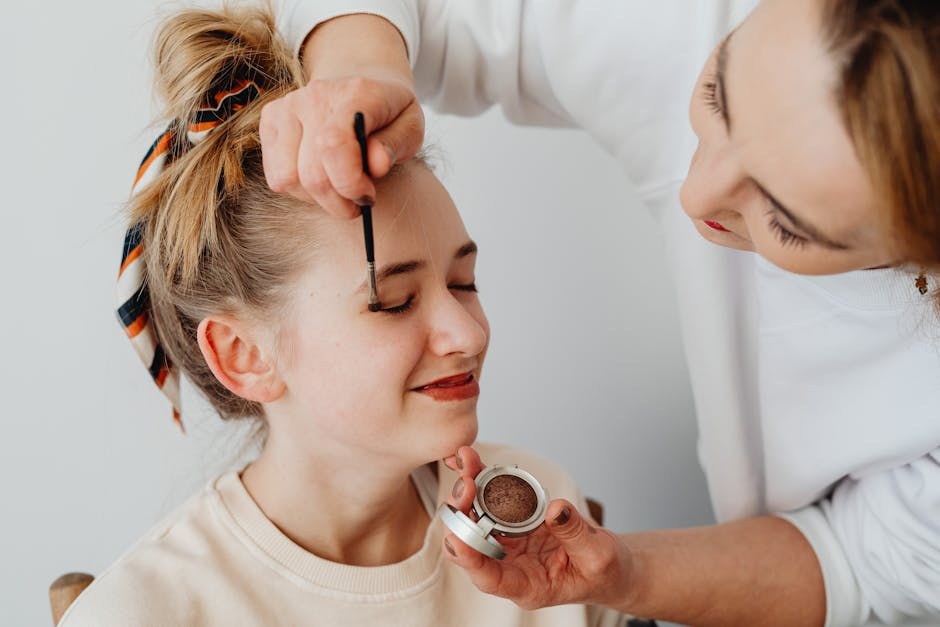
In everyday conversation, “e-girl” usually refers to someone who is known primarily through the internet and who presents a highly stylized look in short-form content. The stereotype many people picture is a teenager on TikTok mouthing lyrics, wearing heavy eyeliner and pronounced blush, leaning into emo or goth cues, and exaggerating certain facial details to read clearly on camera. The style can be playful, dramatic, or deliberately theatrical-designed for the frame, the lighting, and the scroll.
That said, the label is not strictly about age, and it is not strictly about being a “girl” in the narrowest sense. People use the term for anyone presenting in a feminine way who builds visibility online through a consistent aesthetic and performance. The defining feature is not simply fashion; it is the deliberate construction of an online persona that feels recognizable to viewers.

Some descriptions focus on the most visible markers: intense eyeliner, vivid blush, and exaggerated lips that echo influencer-style overlining. Others point to small signature details-like a doodle on the cheek or a look that signals “cute but edgy.” These elements become shorthand. They communicate a vibe quickly, before anyone even knows what the person actually sounds like in real life.
Why People Find the Concept Confusing
New internet labels appear constantly. If you do not track trends, it is easy to feel like the language is moving faster than you can follow. The confusion around “e-girl” often comes from a mismatch between what people see and what they assume it means. Viewers may see performance and conclude it must be deception, while the creator may see it as style-an online persona meant for entertainment, self-expression, or community.
The internet also blurs lines that used to be clearer. Offline, most people have natural boundaries between work, friends, family, and private time. Online, those boundaries can collapse into a single profile, where a person chooses what to show and what to keep off camera. That choice-what to perform, what to protect, what to exaggerate-sits at the heart of the e-girl conversation.

The Persona Question: Expression, Performance, and Pretending
Many discussions about e-girls pivot quickly to a bigger issue: if someone is presenting a character online, is that automatically “fake”? The internet encourages curated versions of life, and the line between curation and fabrication can feel thin-especially when an online persona is sharply different from someone’s everyday demeanor.
One way to think about it is that performance is not always deception. People perform all the time: a professional voice at work, a relaxed voice with friends, a polite voice with strangers. Online spaces simply amplify this tendency and reward consistency. If viewers follow someone for a specific vibe, the creator feels pressure to keep delivering that vibe, even on days when they do not feel it.
Still, the concern is not imaginary. When someone believes they must be “someone else” to be valued, it is worth examining why. If attention becomes the main goal, the online persona can shift from playful expression to a mask that feels impossible to take off. That is where the conversation becomes less about eyeliner and more about self-worth.
Validation and the Pull of Internet Attention
The appeal of internet recognition is straightforward: it feels good. Likes, comments, and followers can create a sense of belonging, especially for people who feel overlooked in their offline environment. For some, the e-girl aesthetic is a tool that helps them be seen. For others, it is a costume that makes it easier to be social, because the role provides a script.
However, validation is a fragile foundation. If your confidence depends on how strangers respond, your mood can rise and fall with the algorithm. In that environment, an online persona can become less like a creative outlet and more like a requirement-something you must maintain to avoid feeling invisible.
Community Versus Performance
Not everyone is building a persona to attract romantic attention, despite the stereotype that sometimes follows the label. Many people simply want to connect, be entertained, and engage with others who like similar styles and content formats. The problem is that the internet does not guarantee that your audience shares your intentions. You may be looking for community while some followers are looking for something else entirely.
That mismatch matters, because it can influence how a creator feels pressured to behave. If engagement spikes when content leans provocative or emotionally intense, it can be tempting to keep pushing in that direction. Over time, the online persona can drift away from what originally felt fun.
The Dark Side: When a Label Turns Into a Weapon
The term “e-girl” has carried baggage. In earlier online culture, it was sometimes used to shame girls and women, implying they were online primarily to flirt with men or seek attention in a sexualized way. That history is important, because it explains why some people still hear the label as an insult, even when it is used casually today.
As mainstream platforms adopted the aesthetic, the term became more normalized and, in many circles, less explicitly derogatory. Yet the shadow remains. A creator may be posting playful content and still face assumptions about their motives. The label can flatten a person into a stereotype-reducing complex reasons for being online into a single, judgmental story.
Risk, Boundaries, and Unhealthy Dynamics
Online spaces can be murky. Not everyone watching content has good intentions, and not everyone respects boundaries. If someone is relying on an online persona for connection, it can make them more vulnerable to manipulation-especially if they are young, isolated, or hungry for affirmation.
There is also a practical risk in mixing fantasy and reality too aggressively. When the persona becomes the only way you interact, it can pull you into situations you did not plan for. It can attract followers who treat you like a character rather than a human being. It can invite pressure to share more than you meant to share. The performance that began as harmless can slide into discomfort-slowly, and then suddenly.
A healthier approach is not necessarily to abandon online life, but to build guardrails. An online persona should have boundaries: what you do and do not share, how you respond to messages, and what kinds of interactions you will not entertain. Without those boundaries, the internet can take more than it gives.
Be Who You Want to Be-For Reasons You Can Live With
It is possible to hold two truths at the same time. First, people should be free to experiment with style, identity, and performance online. Second, it is worth asking what a persona is doing for you-because the internet can reward choices that do not always serve your long-term wellbeing.
If dressing up, filming, and posting makes you feel creative, confident, and connected, that can be a positive thing. If it makes you feel trapped, anxious, or dependent on approval, that is a signal. The key is whether your online persona is a tool you use-or a tool that ends up using you.
Some creators become minor celebrities within their niche. When that happens, the stakes can rise: more eyes, more judgment, and more pressure to keep producing. At that point, it helps to have a clear personal rationale. Why are you doing this? What do you want from it? What would make you step back?
Remembering the Offline World
Modern life is saturated with screens. It is easy to spend hours feeding the need for digital stimulation-refreshing, checking notifications, waiting for devices to charge so you can plug back into the stream. The internet feels like a place where something is always happening, while offline life can feel slower and quieter.
But quiet is not the same as empty. If you neglect real-world relationships and experiences, the internet begins to replace rather than supplement life. An online persona can intensify this shift, because it offers a version of reality that feels more controllable. You can edit, crop, rehearse, and try again. Real life does not give you that luxury.
The healthiest stance is not anti-internet. The internet can connect you with people you would never meet otherwise, keep you close to friends and family, and offer information and entertainment on demand. The goal is balance-making sure the digital self does not swallow the real self.
If You Want to Become One, Build Intentionally
Some people read about the trend and decide they want to try it themselves. If that is you, it helps to treat it like any other creative project: define what you are making, decide how you will show up, and keep a realistic relationship with attention. The point is not to become a different human being. The point is to craft an online persona that you can maintain without losing your footing.
Before you start, it is worth thinking through what “the right reasons” means to you. Is this an outlet for style and play? A way to meet like-minded people? A confidence boost? Those can be reasonable motivations-so long as you remain honest with yourself about what you expect back.
A Practical Framework for Getting Started
-
Decide what your niche will be. The e-girl label can show up in many corners of the internet: gaming, music-focused clips, makeup content, or general lifestyle posts. Choosing a clear niche makes it easier for people to understand why they should follow you, and it helps you build an online persona that feels coherent rather than scattered.
-
Choose an aesthetic that you can sustain. You can borrow familiar elements-dramatic eyeliner, heavy blush, an edgy-cute contrast-but you do not need to copy anyone. Pick a look that feels like an extension of you, because a persona that requires constant discomfort will not last.
-
Shape your on-camera vibe. Some creators stay close to their everyday personality and simply turn the volume up. Others design a more distinct character. Either route can work, but keep it consistent. If you want a strong online persona, it should be easy for viewers to recognize your tone and style from one post to the next.
-
Select platforms that match your content. Short-form video platforms reward quick visual impact, which suits highly stylized looks. Gaming-focused content may fit better where streaming and longer interaction is common. The platform you choose should support your niche rather than fight it.
-
Study what others do-then choose your point of difference. Looking at similar creators can help you understand the norms of the space, but your goal is not imitation. Your goal is contrast. The strongest online persona is the one that feels distinct, even if it uses familiar ingredients.
-
Create strong visuals before you go live. People decide quickly whether to keep watching. High-quality photos or well-lit videos make it easier for your content to land. This is not about chasing perfection; it is about clarity. If viewers cannot see what you are presenting, your effort will be wasted.
-
Post consistently and protect your boundaries. Regular content helps you build momentum, but consistency does not mean nonstop availability. Decide what you will share and what you will keep private. A sustainable online persona is one that includes limits-limits on exposure, on messaging, and on what kinds of attention you will accept.
What to Watch for as You Grow
As your audience increases, pay attention to how the experience affects you. If you feel energized, creative, and grounded, you are likely building something healthy. If you feel dread before posting, compulsively check engagement, or change your content solely to keep strangers pleased, those are warning signs.
The internet can reward extremes. It can reward constant posting. It can reward a persona that is increasingly exaggerated. You do not have to follow that path. You can keep your online persona enjoyable by setting the pace and by remembering that your value is not measured in reactions.
A Final Note on Labels and Reality
Labels come and go, but the underlying dynamic is stable: online platforms encourage performance, and performance can be either empowering or destabilizing depending on how it is used. An e-girl, in the most neutral sense, is someone leaning into a recognizable internet aesthetic and social style. The deeper question is what that style supports in the creator’s life.
If the persona helps you explore identity, enjoy community, and express yourself safely, it can be a legitimate form of creativity. If it becomes a substitute for self-acceptance, it may be worth stepping back and asking what you are truly trying to get from the screen.
Source reference: :contentReference[oaicite:0]{index=0}